Comparative Futures of Lifting Robots: Mechanisms That Matter Next
Introduction: A Night Shift, a Big Stack, and the Next Move
Picture the last hour of a long shift: pallets piled high, deadlines tighter than skin, and one stubborn crate that won’t budge. A lifting robot hums two lanes over as the floor boss checks the clock. In a 200,000-square-foot warehouse, shaving just 5 seconds per lift can save more than an hour per shift—multiplied by hundreds of cycles. But here’s the question that won’t leave you alone: are we lifting faster, or lifting smarter (and safer)?

We’re told automation is the cure. Yet delays still creep in, often at the same choke points: misaligned forks, shaky height control, and awkward handoffs with people or other machines. One site measured fewer dropped loads but more time lost to resets—funny how that works, right? The urgency is real. And it isn’t only about speed; it’s about repeatability, small-space agility, and data you can trust. So, let’s cast a light on what lifts actually do under the skin, and how to tell the difference between buzz and backbone. The next section pulls back the curtain—and names the gaps you can fix now.
Part 2: The Hidden Friction Inside the Robot Lifting Mechanism
Let’s get precise. The core job of a robot lifting mechanism is simple: raise and hold a load, then place it cleanly. Traditional designs often rely on fixed-speed motors, basic limit switches, and a “good enough” feedback loop. That is where friction lives. Look, it’s simpler than you think: without high-fidelity sensing and control, the lift is either hunting for position or drifting under weight. That means more micro-stops, more re-tries, more scrap time. In the field, that shows up as shaky picks, slight skew on pallets, and slow approach speeds. One operator called it “the wobble tax.”
Under the hood, three things hurt most. First, low-resolution feedback. Without fine signals from load cells or torque sensors, tune-ups never stick, and PID loops keep chasing motion. Second, power management that ignores surge and sag. If power converters can’t keep the draw steady, brushless DC motors lose bite right when the load shifts. Third, rigid logic. A PLC that can’t adjust on the fly forces the whole line to wait while limits reset. Add a long aisle and tight rack spacing, and the flaws scale fast. Better to reframe the lift as a system: servo actuators plus harmonic drives for smooth ratios, sensing that can see beyond the next 2 mm, and edge computing nodes to handle local decisions before latency bites.
Why do old lifts jam?
Misalignment isn’t random—it’s what happens when kinematics meet noise. If the lift can’t predict deflection under real weight, it guesses. And guesses cost minutes.
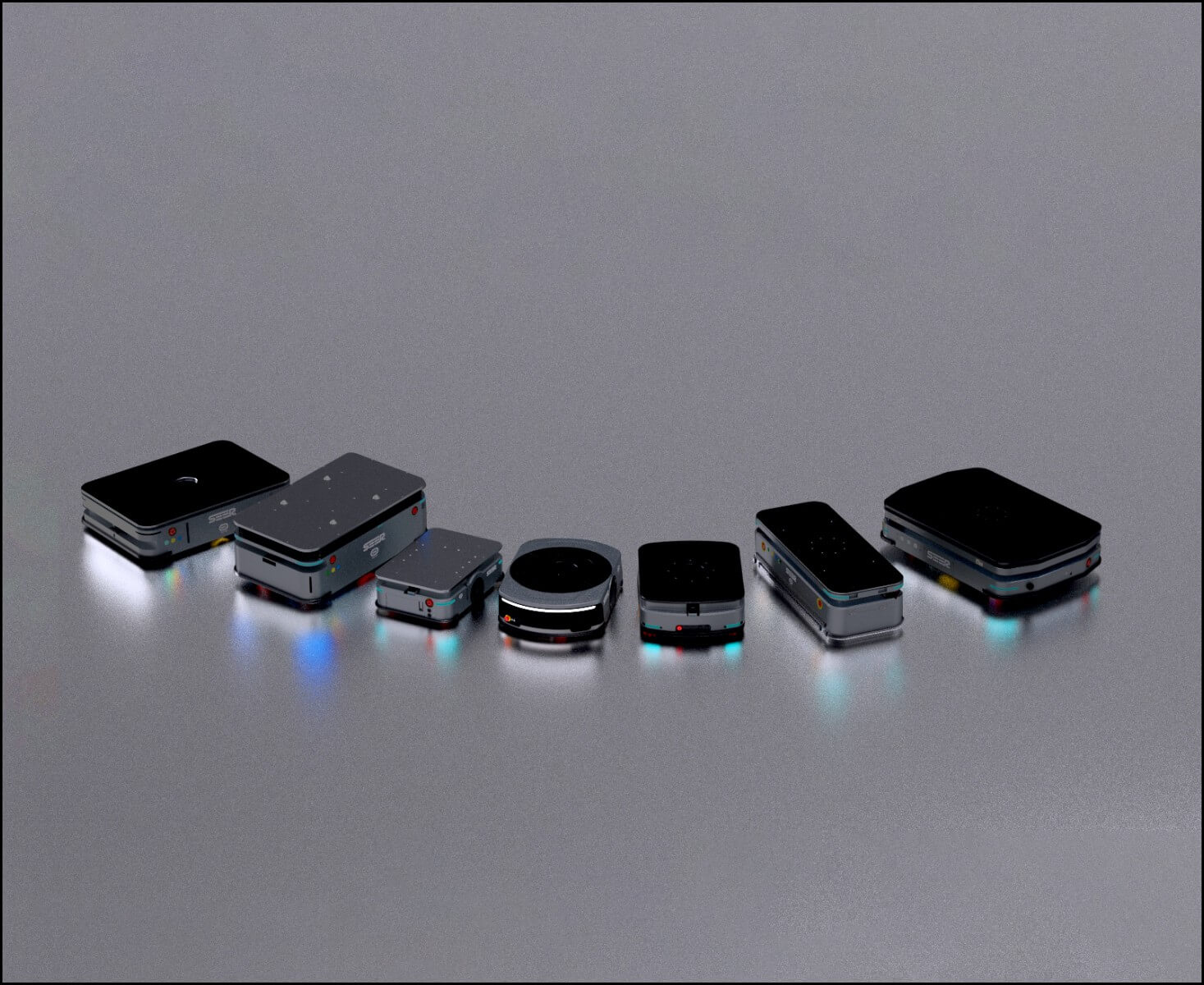
Part 3: Comparative Insight—What New Mechanisms Change Next
Now, compare old-school motion blocks to adaptive stacks that blend sensing, control, and actuation. Here’s the new playbook (and it’s not hype). Modern systems embed higher-bandwidth feedback, then fuse it locally. The result: the robot lifting mechanism doesn’t wait for a central server to plot every move; edge computing nodes smooth jitter in real time and correct for flex. That means faster approach, less overshoot, and clean landings—even on uneven decks. Add smarter torque limits and dynamic speed curves, and your lift keeps grip without crushing cartons. Semi-formal point, simple effect: when control loops see more, they do less guessing—so operators do fewer restarts.
What’s Next
Two paths stand out. First, the principles: decouple lift and travel control, and let each optimize itself. Pair load cells with IMU data to predict sway, and let servo actuators pre-compensate before a tilt shows up. Keep power converters tuned so no surge steals torque at the top of travel. Second, the journey: sites that swapped fixed ramps for adaptive velocity profiles saw shorter cycle times and fewer shelf bumps—small wins that compound. In practice, a stronger robot lifting mechanism looks quiet. Moves start without lurch, stops don’t bounce, and handoffs feel… boring. And boring is good. It means the lift isn’t the main character anymore—funny how that works, right?
Let’s close with three metrics that help you choose well. One: positional repeatability at full rated load, across temperature. It should be stated in millimeters, not vibes. Two: recovery time after an induced disturbance (a mid-lift nudge or a weight shift). Short, stable, and measured under real payloads. Three: energy per successful cycle, including idle overhead. Compare watt-hours, not brochures. If a system wins on these, it will likely win your floor, your schedule, and your nights. For a neutral starting point on modern designs and integration practices, you can explore SEER Robotics.
