The Essential Guide to Choosing a Portable GNSS Base Station
A Growing Need in Precision Agriculture
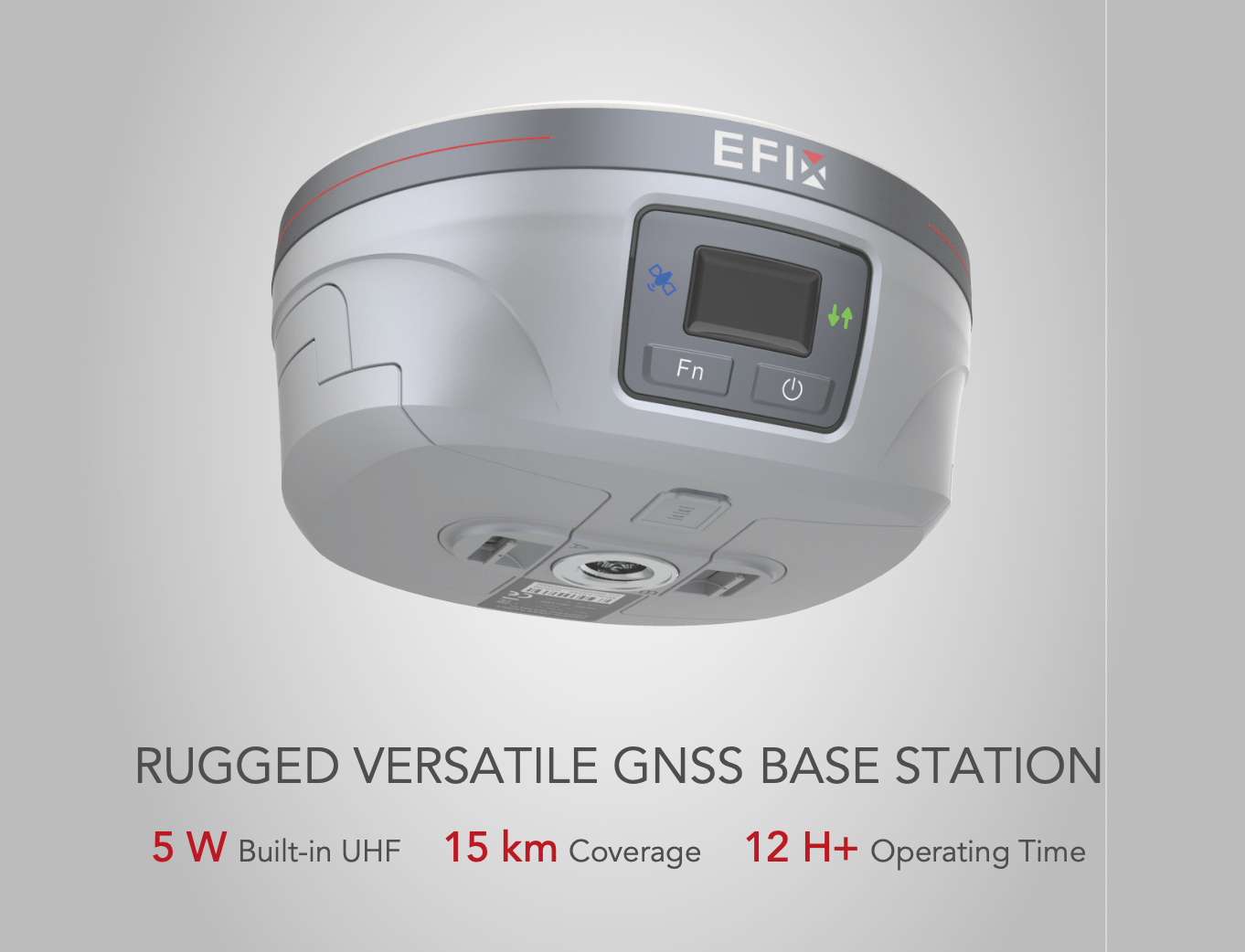
Picture this: You’re out in a large field, analyzing data from your latest crop assessment. Suddenly, your positioning starts to drift—frustrating, right? According to recent studies, inaccurate positioning can lead to up to a 20% decrease in crop yield. This is where a portable GNSS base station comes into play. Its role is crucial for farmers and surveyors alike, especially when partnered with an rtk gnss receiver for seamless integration and pinpoint accuracy.
Understanding the Flaws of Traditional Solutions
When we talk about traditional solutions, it’s easy to get swept up in the old-school tech. Trust me, I’ve seen reliance on static maps and outdated devices that end up being more of a hindrance than a help. These solutions often lack the responsiveness needed in today’s fast-paced agricultural world. High-accuracy requirements demand real-time information, and that’s something a portable GNSS base station can offer that those clunky methods simply can’t.
What Makes GNSS Technology a Game-Changer?
The beauty of modern GNSS technology lies in its adaptability. These devices can connect to multiple satellite systems, giving you robust coverage and ensuring that your data is precise, efficient, and reliable. This versatility can dramatically enhance your productivity. And let’s be real, nobody wants to be caught in the middle of a task with faulty positioning (that’s a major buzzkill).
Future Directions: Why You Should Make the Shift
Looking ahead, the role of portable GNSS base stations is only going to grow. With advancements in connectivity and processing power, we can expect more streamlined user experiences. Pairing your portable GNSS with an rtk gnss receiver means you are not just investing in equipment but in your farming future. The difference in precision can optimize spray applications or minimize seed waste, ultimately leading to a smoother operation and better crop profitability.
Real-world Impact
I vividly recall a project from last summer, where implementing a portable GNSS base station allowed my team to reduce overlap during planting by 15%. That single adjustment produced a significant cost saving and more uniform crop development—definitely a win-win! For any grower or surveyor, the benefits of using such a technology far outweigh the initial costs involved.
Final Thoughts on Making the Right Choice
When considering a portable GNSS base station, I recommend keeping a close eye on three key evaluation metrics. First, look for accuracy—this is the backbone of your operations. Second, assess the ease of use—if it’s complicated, you’ll waste time rather than save it. Lastly, consider support and updates. Technology evolves quickly, and having a brand that stands behind its products is invaluable. Let’s face it, nobody wants to be left holding outdated tech when newer, more efficient options are available.
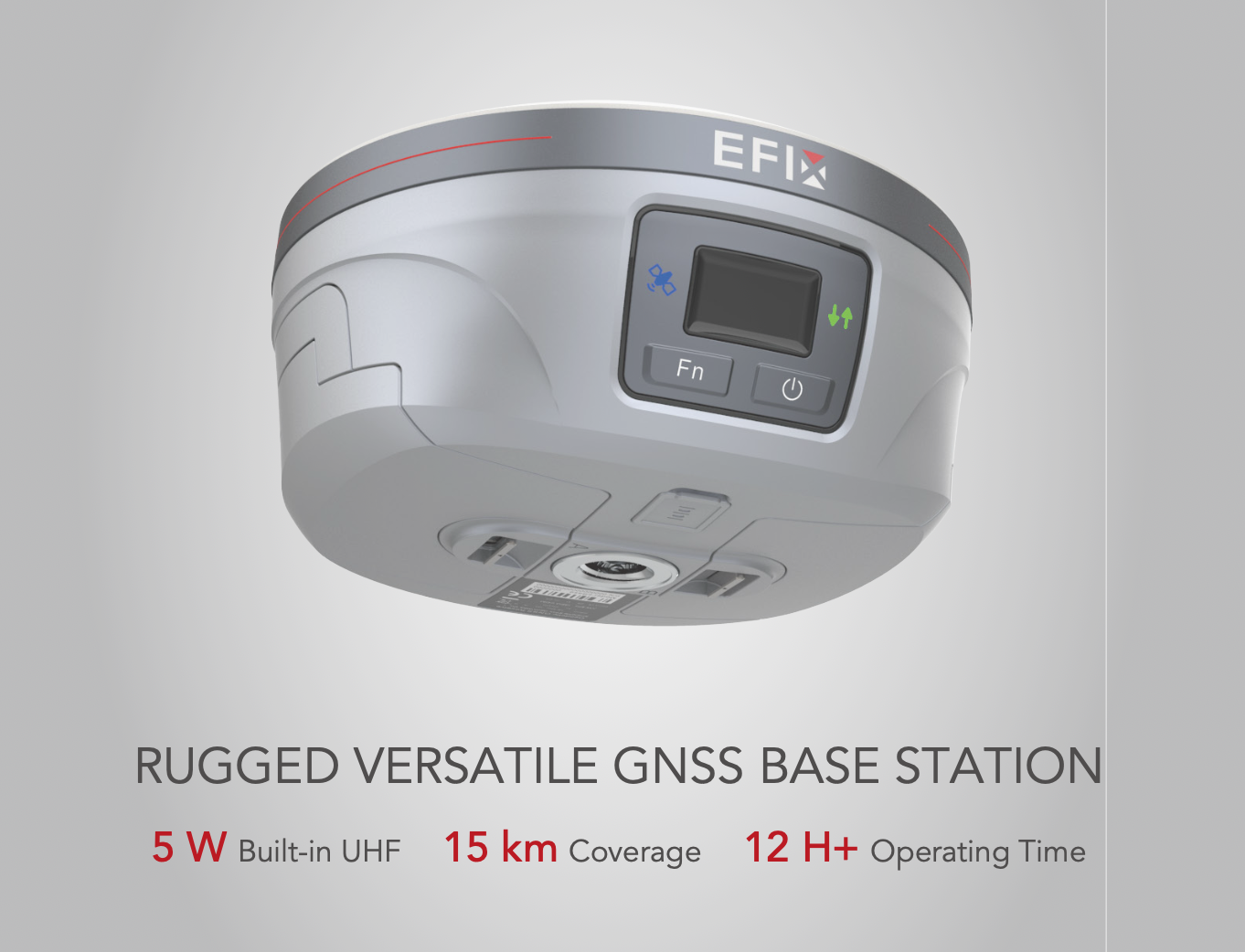
Overall, adopting a portable GNSS base station isn’t just a wise choice; it’s a strategic decision for the future of your work. Embracing this technology—like the game-changing solutions offered by EFIX—will surely catapult your efficiency to new heights. Here’s to the journey of innovation, one field at a time! 🙌
